Swordfish Caught on Deep Sea Fishing Trip in San Diego
Deep Sea Swordfish Fishing in San Diego - What to Expect

Guided Fishing Trip by Guide Ron Hester in October
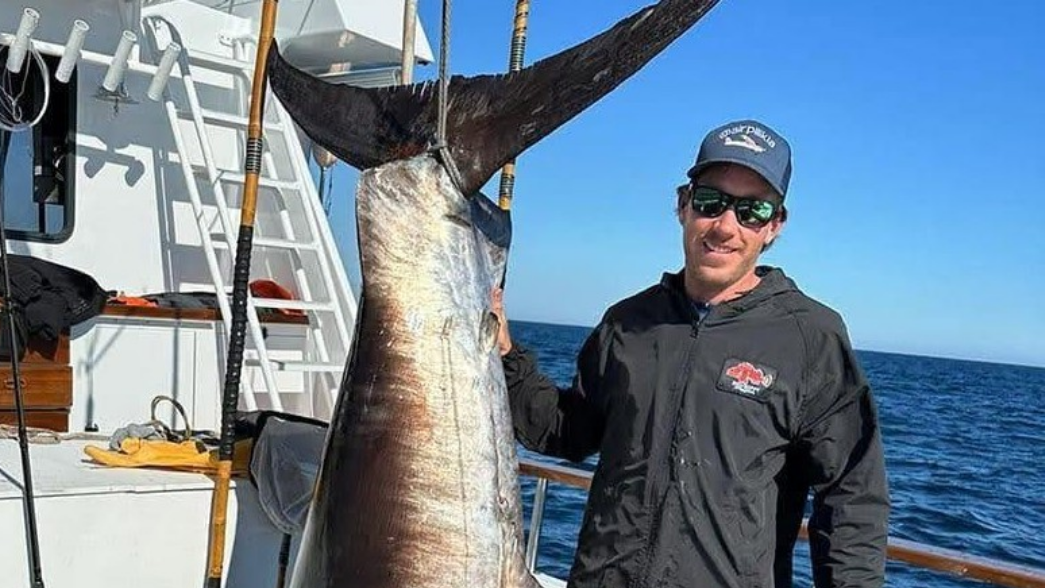
- San Diego Fishing Guide & Lessons


Summary
Join a guided fishing trip with Ron Hester of Xiphias Fish Company LLC on Tuesday, October 6 to target swordfish off the San Diego coast. This deep sea experience showcases the thrill of landing trophy-sized pelagic species in Pacific waters known for world-class fishing.
Deep Sea Fishing with Ron Hester - Rates & Booking
Guide Ron Hester of Xiphias Fish Company LLC led this guided fishing trip on Tuesday, October 6, targeting swordfish in deep Pacific waters off San Diego. This charter represents the pinnacle of offshore sport fishing, where anglers pursue one of the ocean's most powerful and intelligent predators in their natural deep-water habitat.
Deep sea swordfish expeditions require experienced guidance and specialized equipment. Ron Hester brings professional expertise to maximize your chances of connecting with these remarkable fish. To book your own swordfish adventure or learn about current rates and availability, contact Xiphias Fish Company LLC directly for detailed trip pricing and package options.
Highlights of Swordfish Deep Sea Fishing
Swordfish expeditions offer an unmatched blend of technical skill and raw excitement. These fish inhabit offshore waters 300 to 1,000 feet deep, where anglers employ specialized techniques like live bait deployment and nighttime fishing strategies. The moment a swordfish takes the bait, anglers experience incredible power as these fish can exceed 1,000 pounds and fight for extended periods.
San Diego's geographic location provides year-round access to prime swordfish grounds. The continental shelf and deep canyons off the coast create ideal conditions for these pelagic hunters, making the region one of California's premier swordfish destinations.
Local Species Insights: Swordfish
Swordfish represent one of the ocean's most fascinating predators. These streamlined hunters derive their name from the elongated bill, which they use to slice through bait schools and injure prey. Unlike many fish, swordfish possess exceptional eyesight and hunt primarily at depth during daylight hours, moving into shallower waters at night to feed.
The species exhibits remarkable adaptations to deep-water life. A specialized organ above their eyes generates heat, warming their brain and eyes to improve sensory function in cold, dark depths. This counter-current heat exchange system allows swordfish to remain active and alert in environments where other fish would struggle.
Swordfish behavior patterns drive fishing strategy. They follow predictable migration routes related to water temperature, bait availability, and seasonal breeding cycles. Deep sea fishing guides like Ron Hester use knowledge of these patterns, combined with current conditions and bait selection, to position anglers for successful encounters. The fish's intelligence and caution require precise presentation and timing to trigger strikes.
San Diego waters attract swordfish year-round, though certain seasons offer improved bite rates. Summer and early fall typically provide peak conditions when warm water temperatures push these fish northward into California's offshore zone. Night fishing often outperforms daytime efforts, as swordfish rise from the abyss to hunt in shallower, moonlit waters.
Landing a swordfish demands physical endurance and mental toughness. Fights can last several hours, testing angler stamina and equipment limits. The combination of depth, distance offshore, and the fish's raw power creates an experience unlike any other sport fishing opportunity available in Southern California waters.
Fishing in San Diego: Swordfish
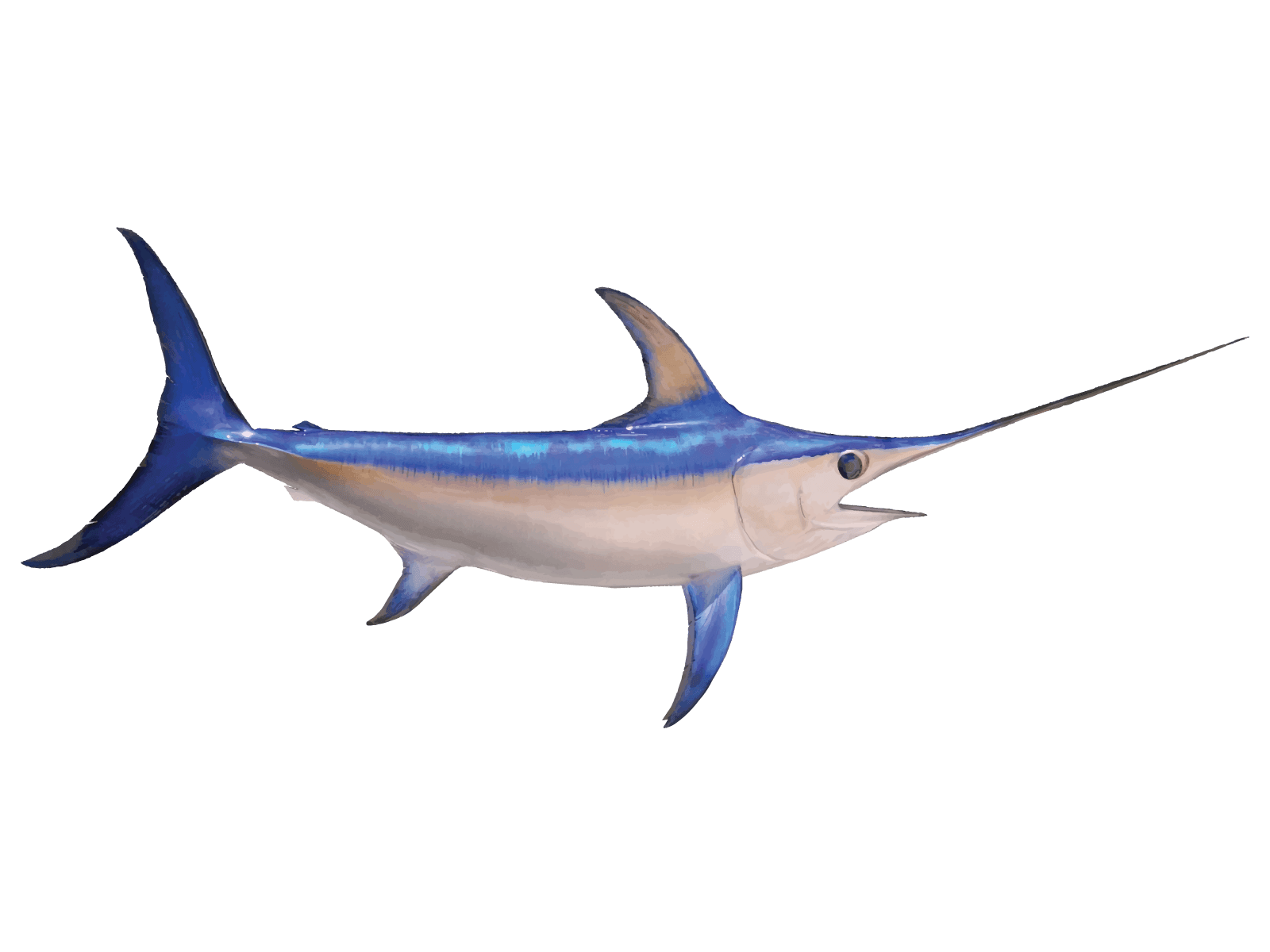
Swordfish Overview
The Swordfish (Xiphias gladius) is one of the ocean's most iconic and thrilling game fish, belonging to the family Xiphiidae and order Perciformes. This remarkable saltwater predator is instantly recognizable by its elongated, flat sword-like bill, grey-blue upper body, striking yellow lateral line, and silvery belly. What makes the swordfish truly special is that it's the sole member of its family—often confused with marlins, but completely unrelated. These scaleless giants are found in oceans worldwide and have captivated anglers and ocean enthusiasts for generations, from the Florida Keys to the Mediterranean. If you're planning a swordfish fishing adventure near Islamorada, Florida, or Virginia Beach, you're in for an unforgettable experience with one of the fastest and most powerful fish swimming in deep waters today.
Swordfish Habitat and Distribution
Swordfish are remarkably hardy and adaptive fish, thriving in both warm and cold ocean waters, though they show a strong preference for warmer waters ranging from 64 to 72°F. These highly migratory fish undertake epic journeys, moving thousands of miles annually to follow seasonal temperature changes—heading to warmer waters during winter months and cooler waters in summer. They inhabit deep meso-pelagic waters, typically dwelling at depths of 1,500 feet or more. North Atlantic populations migrate extensively along the eastern seacoast of the United States and Canada, while year-round populations are found throughout the Gulf of Mexico, the Caribbean, and Florida waters. The Mediterranean Sea and Atlantic Ocean also host robust populations. Premier swordfish hotspots include Florida Keys, Islamorada, Southern California, and Virginia Beach—each offering excellent opportunities to encounter these magnificent predators.
Swordfish Size and Weight
Swordfish are impressively large fish that command respect on any line. The average swordfish measures around 9 feet in length, but these fish can grow substantially larger, reaching up to 15 feet or more. Weight varies considerably with age and region; typical specimens weigh around 400 pounds on average, though record-breaking individuals have tipped the scales at over 1,180 pounds. Their substantial size, combined with their incredible speed—reaching 40 to 60 miles per hour—makes them one of the fastest fish species on Earth. This combination of bulk and velocity means a hooked swordfish delivers an adrenaline-pumping battle that few anglers will ever forget.
Swordfish Diet and Behavior
As carnivorous opportunistic hunters, swordfish feed on various smaller fish and invertebrates, with squid being a particular favorite. These fascinating predators employ a unique hunting technique: rather than spearing their prey as many assume, they slash their targets back and forth with their flat bills, stunning them before consuming the immobilized meal. This tactical approach makes them efficient hunters in the deep ocean. Swordfish are primarily nocturnal feeders, rising closer to the surface (around 300 feet) during nighttime hours to hunt, then descending to greater depths during daylight hours. Remarkably, unlike most fish, swordfish possess specialized heat-generating organs near their eyes and brain—a feature they share with sharks—that enhance their vision in dark deep-water environments. Adult swordfish face few natural predators aside from the occasional orca, though juvenile fish are vulnerable to a wider range of predatory species.
Swordfish Spawning and Seasonal Activity
Swordfish exhibit peak spawning activity from April through September, with timing influenced by water temperature and regional variations. This reproductive period is when migratory populations reach their destined spawning grounds. Female swordfish are prolific breeders, capable of producing an astounding 29 million eggs per spawning cycle—a biological strategy that ensures population survival despite fishing pressures. The highly migratory nature of swordfish means seasonal availability varies by location; anglers targeting these fish should time their trips according to local migration patterns. Winter months typically see reduced populations in northern regions as fish migrate to warmer waters, while the Caribbean and Gulf of Mexico maintain year-round presence.
Swordfish Techniques for Observation and Capture
Successfully fishing for swordfish requires patience, proper equipment, and an understanding of their deep-water habits. Deep-trolling is the standard and most effective method, with experienced anglers using specialized gear: a 6-foot fast-action rod paired with a 5 to 7-foot leader featuring a 300 to 600-pound swivel. Deploy 2 to 3 lights positioned approximately 45 to 50 feet along your line to attract these deep dwellers, as their large, adapted eyes are drawn to illumination in the darkness. Use heavy sinkers—32 ounces in strong currents, or 24 ounces in calmer conditions—to maintain proper depth. Swordfish fishing demands substantial line weight; 80 to 120-pound test is recommended given the possibility of tangling with an 800-plus-pound specimen. Use 9/0 to 11/0 hooks to accommodate their large mouths. Brightly colored lures with skirts work excellently, as the subtle glistening attracts their vision-adapted eyes. Fresh squid chunks, barracuda, and other pelagic fish make effective baits. Around Islamorada, Florida, charter captains often depart at dusk or nighttime to capitalize on the swordfish's nocturnal feeding behavior. While rare, extreme fly fishermen have successfully landed smaller swordfish using 14-weight rods, 20-pound snippets, and large 10/0 to 11/0 hooks—a thrilling (if unconventional) approach for the adventurous angler.
Swordfish Culinary and Nutritional Notes
Beyond the thrill of the catch, swordfish offers legitimate culinary value and impressive nutritional benefits. A 3-ounce serving of grilled swordfish contains 108 milligrams of EPA (eicosapentaenoic acid) and 656 milligrams of DHA (docosahexaenoic acid)—omega-3 fatty acids renowned for cardiovascular health. According to the U.S. Department of Health and Human Services, consuming at least 8 ounces of seafood weekly may significantly lower your risk of cardiac death. Swordfish meat is firm, mildly flavored, and versatile in the kitchen, taking well to grilling, broiling, and pan-searing. The flesh is generally pale to pinkish and holds its texture beautifully during cooking. Sustainability considerations apply; always verify local regulations and responsible fishing practices, as some swordfish populations have faced overfishing pressures. When sourced responsibly, this magnificent fish makes an excellent table fare that rewards both the angler and the dinner table.
Swordfish Frequently Asked Questions
Q: What is the best bait for catching swordfish?
A: Squid is the swordfish's preferred meal and makes excellent bait. Fresh chunks of barracuda and other pelagic fish are also highly effective. Pair your bait with brightly colored lures featuring skirts to maximize visibility in deep waters where these fish hunt.
Q: Where can I find swordfish near Florida?
A: Swordfish are found year-round throughout Florida waters, particularly in the Gulf of Mexico, Caribbean, and around the Florida Keys. Islamorada and the southern Florida coast are premier destinations. Virginia Beach, Southern California, and throughout the Atlantic offer excellent opportunities during migration seasons.
Q: When is the best time to catch swordfish?
A: Swordfish are primarily nocturnal feeders, making nighttime and dusk the optimal fishing windows. They feed at approximately 300 feet depth during night hours. Peak spawning season runs from April through September, during which populations concentrate in specific regions.
Q: What type of rod and reel do I need for swordfish fishing?
A: A 6-foot fast-action rod with 80 to 120-pound test line is standard. Pair this with a robust reel capable of handling substantial pressure. For extreme fly anglers, a 14-weight rod with large 10/0 to 11/0 hooks can work on smaller specimens, though conventional tackle is far more practical.
Q: How fast can swordfish swim, and why does that matter?
A: Swordfish reach incredible speeds of 40 to 60 miles per hour, making them among the fastest fish on Earth. This speed, combined with their average 400-pound weight and powerful bill, means they deliver explosive runs and require heavy-duty tackle and strong skill to successfully land.
Q: Is swordfish healthy to eat?
A: Yes, swordfish is nutritionally excellent, rich in omega-3 fatty acids (EPA and DHA) linked to heart health. A 3-ounce serving provides substantial cardioprotective compounds. The firm, mildly flavored flesh is versatile for grilling and pan-searing. Always source responsibly and verify local regulations regarding sustainability.